Sofia, Bulgaria Mixes Ancient Ruins with Metro Style

Sofia, Bulgaria is one of the oldest cities in the world. It has been inhabited since at least 7000BC and in recorded history since 29BC. . The city has always been a favorite for tsars, emperors, and dictators. Sofia was strategically built along the road connecting Europe to the Middle East. It has allowed the city to soak up the best of many cultures throughout the ages.

     Today, Sofia has begun its transformation into a modern capital. Sofia’s history has been impacted by every period and every ruler over multiple millennia. The city has ruins from the Roman era, Bulgarian architecture, Ottoman era mosques and houses, post liberation central European theaters and palaces, communist era monuments and apartments as well as modern day construction.

Ancient Center

     In fact, sightseeing can begin immediately upon your arrival in the city. Once you land at the airport, hop on the metro to the central station, Serdica. The ancient Roman city of Serdica is over 2,000 years old. Many Roman ruins were discovered while building the new metro lines in the city. Today the metro station is intertwined with the ruins allowing locals and tourists a chance to enjoy history on-the-go.

The President, the Prime Minister, and other government buildings are also surrounded by ancient ruins. In front of the Presidential offices you can observe the presidential guard, which changes frequently and offers great photo opportunities.

The city also features temples of worship for the four major western religions all within 1 km of each other. This is known as the Square of Tolerance. The Church of St George is considered the oldest building in the city. In the same square, you will find the National Archeological Museum featuring numerous frescos, columns, and artwork from different periods of history. Also nearby are the Sofia City Museum located in the old city bath house and the National Art Gallery located in the former Tsar Palace.

Yellow Brick Road

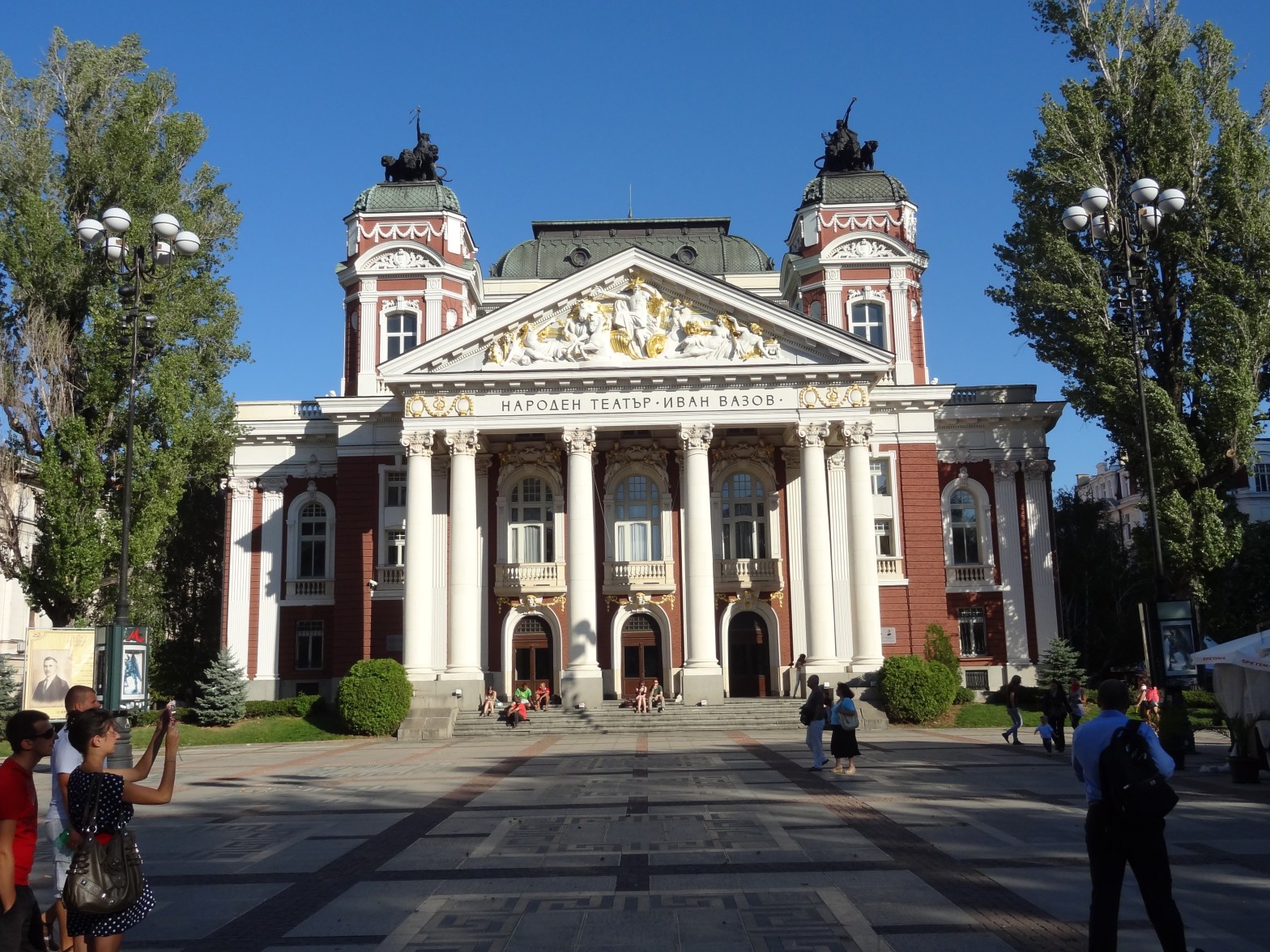
     At this point, you might find yourself on a yellow brick road towards Oz, but don’t worry you are still in Sofia. The walkway between the Palace, the Parliament, and the main cathedral is made of yellow stones. Walk through the City Garden park [AS3] [IT4] in front of the palace to soak up the sun and watch locals play chess. One of the most iconic buildings in the area is the National Theater Ivan Vazov. The theater was designed by famous Vienna architects Helmer and Fellner [AS5] [IT6] and has become the center of Bulgarian performance art. Continue on the yellow brick road to the Alexander Nevsky Cathedral and St. Sofia Basilica located right behind the Parliament Building.

     Alexander Nevsky is one of the biggest Christian temples in the world and it serves as the seat of the Bulgarian Patriarch. The crypt has a massive museum displaying some of the most important Bulgarian icons. Next to the cathedral, the St. Sofia Church has stood since the 4th century. It is one of the most important Christian churches in South Eastern Europe. The church stands in the middle of an ancient necropolis and numerous tombs have been discovered below it.

Cafes and Restaurants

     Once you have had your fill of ruins, museums, and churches, head to Vitosha Boulevard. This shopping boulevard is lined with multiple restaurants, bars, and cafes. In the distance you can see the Vitosha Mountain rising over the city skyline. The National Palace of Culture hosts many events and concerts in the area.

Next, take a stroll to Borisova Gradina Park. It is the largest park in the city and a popular place for locals and tourists alke. The Ariana Lake is a small body of water where you can rent boats and spend time enjoying the outdoors. Enjoy lunch on the small island in the lake at Ariana 1904 [AS7] [IT8] for authentic Bulgarian cuisine and great views.

Vitosha and the Outskirts

     Definitely spend time on the outskirts of Sofia where the National Historical Museum is located at the base of Vitosha Mountain. The museum showcases the Panagyurishte Treasure. The small Boyana Church features some of the world’s best frescoes and is highlighted on UNESCO’s World Heritage list[AS9] .

Last but not least you should take a day trip to hike the Vitosha Mountain trail to the Moreni [AS10] rock formations. The Moreni rocks look like a river of boulders. Once back in the city reward yourself with fresh beer and fried cheese with jam at Luciano Brewery. [AS11] [IT12] Enjoy a “Jiva Bira.” This fresh, non-filtered, and unpasteurized beer only last a day so get one while it’s cold!

     Sofia’s slogan, “It grows, but it never ages,” truly captures the unique spirit of the city. It is a fun and vibrant place where you can experience everything from nature and history to cuisine and nightlife.  


Get a Culture Lesson through the Gems of the North Rhine

The German state of North Rhine-Westphalia is full of culture, history and amazing experiences. The most populous state in Germany as well as one of the largest metropolitan areas in Europe has a bounty of cities and villages that would easily pack your travel schedule. This is why I would suggest to either extend your trip or narrow your first visit and focus your attention on the largest city in the state, Cologne and the historic city of Aachen

Cologne often gets overlooked by travelers looking to visit the popular urban centers of Berlin and Munich. However the city can more than hold its own with its extensive night life, unique cuisine, picturesque riverside walkways, and museums. It is amazing how far the city has come since being nearly completely destroyed during the Second World War by air raids and bombings. Some of the most intriguing souvenirs you can pick up on your visit illustrate the damage to the Hohenzollern Bridge during that period.

Today the center of Cologne is a pedestrian friendly cluster of museums, shops and restaurants sitting at the shores of the Rhine River. However even when you are a few kilometers away you will be able to see the most imposing and spectacular building in the region, the Kölner Dom. The Cologne Cathedral is one of the tallest in Europe and the most visited site in all of Germany. The cathedral really ties in the center of the city and it makes it the epicenter of activity in the city. The square surrounding the cathedral has numerous bars and restaurants. For the authentic Cologne experience you should go to the Früh am Dom brewery. With the option of sitting in the beer garden during a nice day or to experience the atmosphere inside the brewery and the cellars. Either way you will enjoy authentic German cooking with the iconic Kölsch beer that originated from the city and is served in small glasses called Stange. It’s good to keep in mind that if you have had enough beer you should place your coaster on top of the glass otherwise the servers will keep them coming.

If you are interested in shopping or just going for a walk and experiencing the fast pace of life in the city you should stroll through the Hohe Straße and Schildergasse some of the busiest and best shopping streets in all of Europe. In case you want to get away from the hustle and bustle of the shopping area you can take a walk on the Hohenzollern Bridge and watch the numerous boats sailing down the Rhine. Continue walking south along the river in the Rhine Garden Along with more restaurants and coffee shops there are numerous museums such as the Roman-Germanic Museum and Ludwig Museum. Further south are the Deutsches Sport and Olympia Museum and the delightful Cologne Chocolate Museum.

Once the museums close and the sun goes down make your way to Salzgasse Street. It’s a tiny cobblestone street with numerous restaurants and lounges connecting Rhine Park and Heumarkt Plaza. Get a drink and enjoy the atmosphere of your surroundings. It will remind you of Diagon Alley from the Harry Potter novels.

And while Cologne is a great example of lively urban European center, the city of Aachen only sixty kilometers away will bring you back to the peaceful and relaxing way of life. The small city has been attracting visitors to its thermal springs for thousands of years. From Celtic tribes, Roman legions until the present day people have sought the healing powers of the thermal springs that are below the city and are some of the warmest in all of Europe.

Aachen has over thirty locations in and around the city of hot springs. There are many spa centers and aquatic activities that a visitor can experience. However if you are only there for a day and don’t have time to go to the spa you should make your way to the Elisenbrunnen Pavilion. The pavilion houses two thermal water fountains and it’s located next to an ancient archeological site. A short walk away is Café Dom a small European style coffee shop with a few small tables lining the street and serving delicious pastries.

While Aachen was a popular destination for travelers it became a political powerhouse in the Middle Ages when Charlemagne the first Roman Emperor in centuries used it as his center of influence. The remains of this golden age for the city could be seen all over. The two buildings which create the Aachen skyline are a testament to that period and Charlemagne himself.

The Aachener Dom is the main tourist attraction in the city. It was constructed on the orders of the emperor and upon his death he was buried there. His remains can still be seen inside the cathedral today in a gold and silver casket called the Karlsschrein. The Aachen Cathedral is also known for being the location for the coronation of the German royalty for almost six hundred years.

The second noticeable building on the Aachen skyline is the Rathaus, or City Hall building. The building sits between the two main squares in the center of the city. Markt square in particular has many small restaurants which will give you that unique European feel. The Rathaus was constructed well after the death of Charlemagne, but inside you can find many references to the emperor.

Finally no trip to the city or the region for that matter should go without visiting the Cathedral Treasury. The first German monument to be entered into the UNESCO World Heritage Sites. There are a number of religious relics as well as artworks such as the Ottonian Cross of Lothair and the golden Bust of Charlemagne.

Cologne and Aachen sure have a lot to offer a traveler. So if you are just driving through or are looking for a unique destination you should make it a priority to visit.

Where to Explore Reykjavik’s Natural Beauty

Recently Iceland has become one of the most popular tourist destinations in the world. The strategic location between North America and Europe as well as the growth of its airlines have caused a tourism boom. At the epicenter of this development has been the city of Reykjavik. On the surface a small, quiet fishing town with an unmatched location. However spending a few days in the city and surrounding areas will expose you to sights, sounds, and cuisine you won’t be able to find anywhere else in the world.

When to Visit Reykjavik

The tourist season in Reykjavik begins in May and continues until October. However, unlike most tourist destinations, there are two totally different experiences for a traveler who visits in May and one that visits in October. In October the days become short and the nights extend, allowing you to witness the Northern Lights. In May and June the days become long and the sun never really sets before it comes back up. Due to this phenomenon, I would suggest visiting in May or June your first time because the Midnight Sun will allow you to explore more of the city and the surrounding areas.

Where to Walk Around Town

The city of Reykjavik is pedestrian friendly if you would like to explore the city on foot. Many of the museums, venues, and restaurants are close to each other making it easy to pack in a day of exploring the Icelandic capital. Without a doubt, the first building you would notice in Reykjavik is the Hallgrimskirkja cathedral. The cathedral is one of the tallest buildings in Iceland and for a small admission fee, you can go to the top of the building where on clear days you can see for miles. Nearby is The Settlement Exhibition by the Reykjavik City Museum. It is an interactive exhibit about life on the island during the time of the Vikings. This exhibit features archaeological excavations from one of the first settlements on the island.

Enjoy a Traditional Lunch

In the afternoon, following the closing times for the museums, take a walk down some of the shopping, arts, and culinary streets such as Laugavegur and Skolavordustigur. Icelandic cuisine has become famous due to its fresh seafood and unique lamb. When you have built up an appetite you should try an Icelandic lamb hot dog at The Hot Dog Shake and Pylsa Stand. While there are many pylsa stands all over Reykjavik this one is well known and was visited by Bill Clinton on his official visit to Iceland. In case you would like a nice sit-down restaurant with good cocktails and freshly caught seafood you should head to Snaps Bistro.  It is a wonderful establishment that is always busy with locals. Following dinner, head to see a show at the modern Harpa concert hall overlooking the ocean.

The Great Outdoors in Reykjavik

Reykjavik is a unique city because of its proximity to natural wonders that are hard to find anywhere else in the world. It is quite possible that driving around Iceland you could see more waterfalls than people. The most famous day trip from Reykjavik is called the Golden Circle. Taking this route will take you towards the middle of the island and into Thingvellir National Park. Without a question, the first activity on your agenda should be to dive/snorkel in Silfra. This rift is created by the divergence of the Eurasian and North American plates and is filled with some of the clearest water you will ever see. Continuing down the road you will reach Geysir a large geyser that erupts every few minutes. The farthest location on the Golden Triangle is probably the most impressive. Gullfoss is a massive multi-step waterfall that drops into a small valley. The fact that you can walk up right next to the fast moving water is just a bonus that makes this Iceland’s top attraction. Finally on the way back to Reykjavik you should stop at Kerid, a massive crater of a former volcano which really brings together all the bright colors of the Icelandic countryside.

North vs. South

If you have the opportunity for multiple day trips you should take advantage and spend one day going north and another headed south on Route 1. Heading north you will notice changes in the terrain and massive volcanoes covered in moss begin to surround you on one side while the ocean is on the other. One of the top locations to stop is Londrangar, natural towers overlooking the ocean made of black volcanic rock. Further up the road is one of the most photographed locations in Iceland, Kirkjufell and the nearby Kirkjufellsfoss. This mountain and waterfall combo will make for a picture you will cherish forever.

Heading south is a totally different experience because the area becomes grassier on one side and covered in black sand on the other. The Skogafoss and Seljalandsfoss waterfalls are must-see locations. The Dyrholaey peninsula is home to numerous puffins. However, the most interesting experience has to be walking on the black sand beaches in search of the World War Solheimasandur Plane Wreck.

Reykjavik, Iceland is a place that you will never forget no matter how much time you spend there. It will make an impression on you because its experiences are so unique and you will be hard-pressed to find another destination with these traits.

Discover Toronto’s Central Neighborhoods

Canada’s largest city is a lively metropolis packed with parks, museums, restaurant and much more. Sometimes overlooked, Toronto has become a cultural and social hub that rivals that of cities like New York, Chicago and Boston and should be on every travelers must visit destinations.

Toronto has many neighborhoods packed in the downtown area of the city. They are all unique and diverse but they are all worth spending the time to explore. However, any first time visitor to the city needs to start from the center and work their way out. Three areas form the main center of the city and hold some of the most popular attractions that Toronto has to offer, Entertainment District, Downtown Yonge and Old Toronto.

The 3D Toronto Sign located in front of the Toronto City Hall in Nathan Phillips Square clearly marks the center of the city and provides for some memorable pictures to start of your exploration of the city. The best time to visit is at dusk when the sign lights up. The square often hosts many festivals and activities so there is always something fun to look at. On the other side of the Square is the Old City Hall building which is a beautiful nineteenth century Romanesque structure used today as a courthouse. Adjacent to the City Hall complex is the Downtown Yonge area. The area is full with theaters, restaurants, stores and the impressive Yonge Dundas Square anchors it. The square resembles Times Square in New York, covered with numerous large screens displaying advertisements for the nearby stores. And if you are looking to do some shopping there is no better place than the iconic CF Toronto Eaton Center. This urban mall has many upscale brands and is famous for its large glass ceiling.

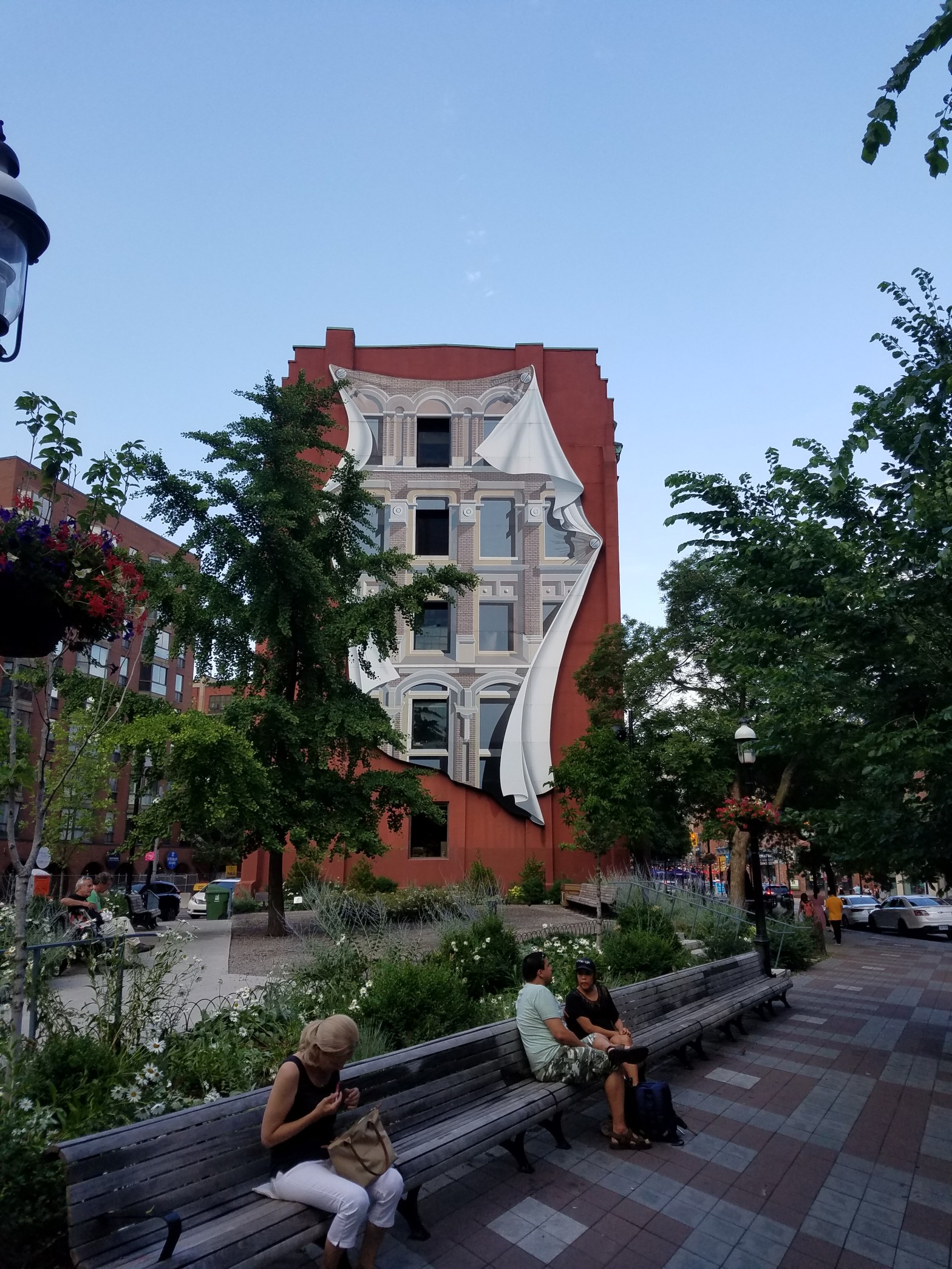
Taking Yonge Street south from Eaton Center will lead you straight into the heart of Old Toronto. While the area is still modern, you will notice many more historical building than in other central areas. For sports-lovers visiting the Hockey Hall of Fame and seeing the Stanley Cup in person is a must. A short walk from the museum is Berczy Park. The park is surrounded by numerous gorgeous nineteenth century buildings and is famous for its Dog Fountain and for the Trompe L’oeil Mural on the historic Gooderham Building overlooking the park. Down the street from the park is the iconic St. Lawrence Market. The market has stood and thrived since the early eighteen hundreds and today is the anchor for the neighborhood. Vendors sell many farm to table products while cafes, bakeries and sandwich shops offer great options for lunch.

For spectacular views and memorable experiences, find your way to the Entertainment District and Harbourfront. Sometimes popular attractions are crowded and not worth the wait. That can’t be said for Toronto’s CN Tower and Ripley’s Aquarium of Canada.  The CN Tower is the most iconic building in the city as it rises over all other skyscrapers. The views on a clear day go on for miles and the experience of looking down at the city in unforgettable. You can even take the edge walk tour if you are looking to add some adrenalin to your day. Immediately next to the tower is the Aquarium. Massive in size and with numerous exhibitions. Do not miss the Dangerous Lagoon shark exhibition that has the longest moving sidewalk in North America gently ushering you through a glass tunnel while numerous species of sharks swim over your head.  On a nice day finish off your day exploring this neighborhood by taking a walk on the harbor front through the Toronto Music Garden and grab a beer and a bite at Amsterdam BrewHouse.

One of the most unique places to have a sit down dinner and take a romantic walk is The Historic Distillery District. Founded in the eighteen hundreds and becoming at a point, the largest distillery in the world. The area today has kept most of the Victorian buildings and transformed into an arts district with numerous boutiques and galleries. Take a walk with a friend or a loved one on the cobblestones and add a lovelock to the script sculpture. Enjoy one of the many upscale restaurants in the district and catch a show at the Young Centre for the Performing Arts.

If you are looking for something to do later in the night, you should make your way to the Kensington Market and Chinatown Areas. Chinatown is a great place to get food late at night, as many establishments are open well into the night and serve authentic Chinese cuisine. The adjacent Kensington Market area is a stronghold for the bohemian crowd. Local art and music is born here and it thrives and grows in Kensington. It is common to find popup musical performances in a yard or an alley. And speaking of alleys take a walk to the most famous of all, Graffiti Alley near Queens Street. As the name suggests it is covered in beautiful street art. 

So when you are considering where to travel for your next trip do not forget about Canadas largest city. It has something to offer to everyone and surely has unforgettable experiences to offer you.

Explore the Heart of Texas in Waco

In recent years Texas has experienced a surge in population growth as well as a significant increase in visitors to the state. The rise of the major cities like Dallas, Houston, Austin and San Antonio have brought new entertainment, new ideas and created multiple very dense and exciting population centers within the large and wide open space for which Texas has always been known. However, to really learn and appreciate the state you have to go to the heart of it. And in Texas the heart of the state is the sometimes overlooked city of Waco. For travelers driving often between Dallas and Austin, Waco has become a perfect midway point to break up the drive. The fact that the city is less than two hours from both major metropolises also makes it a great destination for a day or weekend trip.

When driving into the city especially on a fall Saturday the first thing that you will undoubtedly notice are the lights of McLane Stadium the home of the Baylor University Bears football team. And as its well-known football is king in Texas and Waco is no exception. A city with around one hundred and thirty-five thousand residents, of which nearly twenty thousand are students, has a stadium that can hold a third of the city. If you like football or just want to see a big game make sure to visit when the universities of Texas or Oklahoma are in town.

And while college football is exciting, the reason that Waco has drastically increased its visitors over the last few years are their biggest national celebrities, the Gaines’s. The celebrity couple which had a hit TV show renovating houses in and around their home city have turned their success on TV into a real brand that has attracted tourists to Waco in droves. If you get to Waco early enough for breakfast or brunch make sure to try their restaurant Magnolia Table. The restaurant is located in a historic building in the city and the renovation was featured in the TV show. The large building has been converted into a communal style restaurant serving some of the family’s favorite recipes. Try the freshly squeezed juice flight and the “Our Favorite Chicken Salad Sandwich” served on a warm croissant.

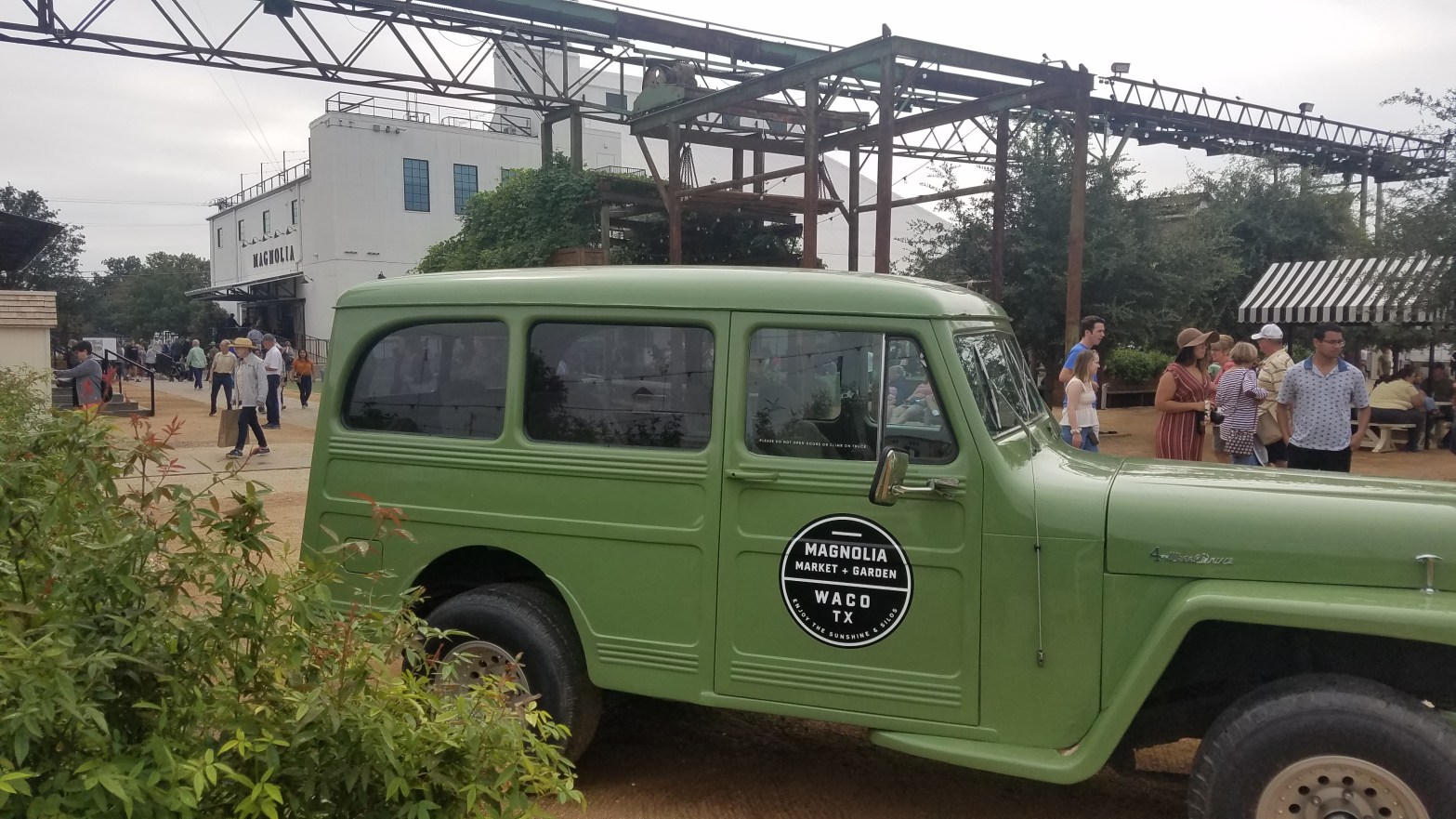
After breakfast take a short ride to the Magnolia Market and Garden at the Silos. The historic silos which were built in the fifties and are the anchor to what is now known as the Silos District were purchased and converted a few years back by Joanna Gaines. She has converted them and the area around it into a two block complex that includes the Market, silos, Silos Baking Company, herb garden, coffee shop, and a large park area surrounded by local food trucks. The market alone might take you a few hours to explore and getting your hands on something from the bakery will likely cause you to stand in significantly long line, but it will be worth it.

Before the recent rise to popularity of the Gaines family Waco was especially famous for as the birthplace of one of Americas favorite soft drinks, Dr. Pepper. In fact, a few minute walk down the street from the Silos District is the Dr. Pepper Museum located in the original bottling building for the soda. Inside you can find many fun facts about the drink as well as have one hand made for you by the old time soda operator in the gift shop. And if you are looking for a place to grab a beer after you have had your fill of soft drinks, a block down the road is the cozy Barnett’s Public House. You won’t miss Barnett’s because the side of the building has one of the more popular murals in town, “WACO”. Inside you will find delicious food and a very impressive list of hard to find whiskies.

Across from the Hilton Waco and along the Brazos River you will find Indian Spring Park. The park is significant because it holds the Branding the Brazos Sculpture as well as the entrance to the Waco Suspension Bridge. The bridge was significant for the cattle drive industry and the city because it was the only such structure allowing cattle to cross the river safely for hundreds of miles. The sculpture depicting men corralling the cattle towards the bridge does a wonderful job depicting what the scene might have been during that period. Below the bridge you will also find an entrance to the city’s river walk which spans all the way to the campus of Baylor University.

Finally, no trip to Waco is complete without visiting the city’s hidden treasure. The Waco Mammoth National Monument a large area on the outskirts of Waco which has produced numerous archeological finds to date, most importantly dozens of mammoth fossils. Discovered in the late seventies and recently pronounced a national monument the site is famous for the largest concentration of mammoth remains. When taking the very informative visitor tour you might even be able to witness archeologists working on the site. The workers are adamant that only a very small percent of the area has been explored so who knows maybe you will witness a discovery in person.

So during your next visit to the Lone Star State make sure you take a trip to Waco. Because you won’t know Texas unless you really get to know its heart.

Walk through History in Berlin

There are not too many places you can visit that describe the history and show the effects of the turbulent 20th century as much as the German capital of Berlin. The city has the scars to show and the ability to teach all of the travelers lucky enough to visit about the dark days of Nazi rule, the rebuild following the war and the split between the East and West. The 20th century was a difficult time for the world and Berlin found itself at the epicenter of it. However from those struggles, lessons were learned and the city has recovered and grown into a unique cultural experience taking the best from both parts of the Iron Curtain.

Unlike most major cities Berlin does not have a true central area. Of course one could argue that Museum Island or the area surrounding the Bundestag are the centers but in reality the city has developed into many neighborhoods with each having its own center, nightlife and entertainment. This is likely due to the Berlin Wall which separated the city for nearly thirty years and forced its citizens to grow separately without much contact. Most of the wall has been torn down to allow the two sides to unite and begin to integrate. However walking around the city you will find a dual line of cobblestones reminding everyone where the large wall once stood. And while the vast majority has been deconstructed with parts of it sent to museums all over the world to warn and teach about the dark times that the world went through others parts still stand. One example is the East Side Gallery which used the wall as a canvas to depict images of freedom, democracy and the peaceful victory over tyranny. The gallery has transformed the wall from a symbol of oppression to the world’s largest open air art exhibit championing freedom and stimulating new development and businesses in the area. In the backdrop sits the double-deck Oberbaum Bridge with its distinct towers.

While the Berlin Wall is by far the most famous site in the city the most noticeable is the large needle overlooking the city, the Berliner Fernsehturm. The tower is located next to Alexanderplatz, one of the most famous and largest plaza in the city. While this might be one of the touristy locations in the city you should not miss out to get lunch or dinner in the Sphere rotating restaurant at the top of the tower. The views are amazing. Even today while you are enjoying your meal it will be easy to see the differences between the East and the West architecture and urban planning. 

Walking West from Alexanderplatz you will undoubtedly end up at Museum Island. A UNESCO Heritage site that houses most of the cities’ museums and it is surrounded by numerous others that have recently been established. The island is also home to the Berliner Dom and the Berlin Palace. The Dom offers arguably the second best views in the city and offers the opportunity to walk through the royal Hohenzollern family crypt below the cathedral. The Palace on the other hand has been converted into a large gallery hosting numerous events and exhibitions throughout the year.

Continuing your walk west you will encounter numerous spectacular 18th and 19th century buildings that have been converted into embassies and hotels as well as operas and cathedrals. Especially interesting during winter months is the Gendarmenmarkt square which has a Christmas market and ice rink annually. Further west you will see in the distance the glass dome of the Bundestag, the Großer Tiergarten Park and standing directly in front of you the famous Brandenburg Gate. While all these sites are a must see, often overlooked to the south of the gate stands the Memorial to the Murdered Jews of Europe. A memorial made up of over twenty-seven hundred dark columns creating an expansive maze and bringing about a somber mood to its visitors. Not far away are the famous Checkpoint Charlie Mauer Museum highlighting the creative ways people escaped the East and the must visit Topography of Terror Gestapo Headquarters Museum.

If you have the ability and time to explore the outskirts you should visit Olympiastadion Berlin the location where Jesse Owens won four Olympic gold medals in the presence of Adolph Hitler. Today the stadium is still used for large events and is one of the biggest in Europe. Further away in the outskirts you should find time to visit Memorial and Museum Sachsenhausen the closest concentration camp to Berlin where many political prisoners met the cruelty of the Nazi regime.

The history and experiences that you will be faced with in Berlin are unmatched. The city teaches us to remember the past and to learn from those mistakes and to move forward into a better tomorrow. The better tomorrow is here in Berlin and sure enough after you have walked in the past be sure to grab a currywurst and a cold Berliner Pils, relax and get ready for a wild night ahead.

Dublin: A Modern City Rich in History

In recent years, Dublin has attracted numerous international companies that have established their European headquarters in the city. This influx of new businesses brought young professionals transforming Dublin into a modern, diverse city with restaurants, shops, and activities rivaling the larger cities on the continent while retaining Dublin’s history and famous Irish hospitality. While enjoying five-star restaurants and posh clubs, don’t forget to visit the great sights that have always made Dublin a must-visit destination.

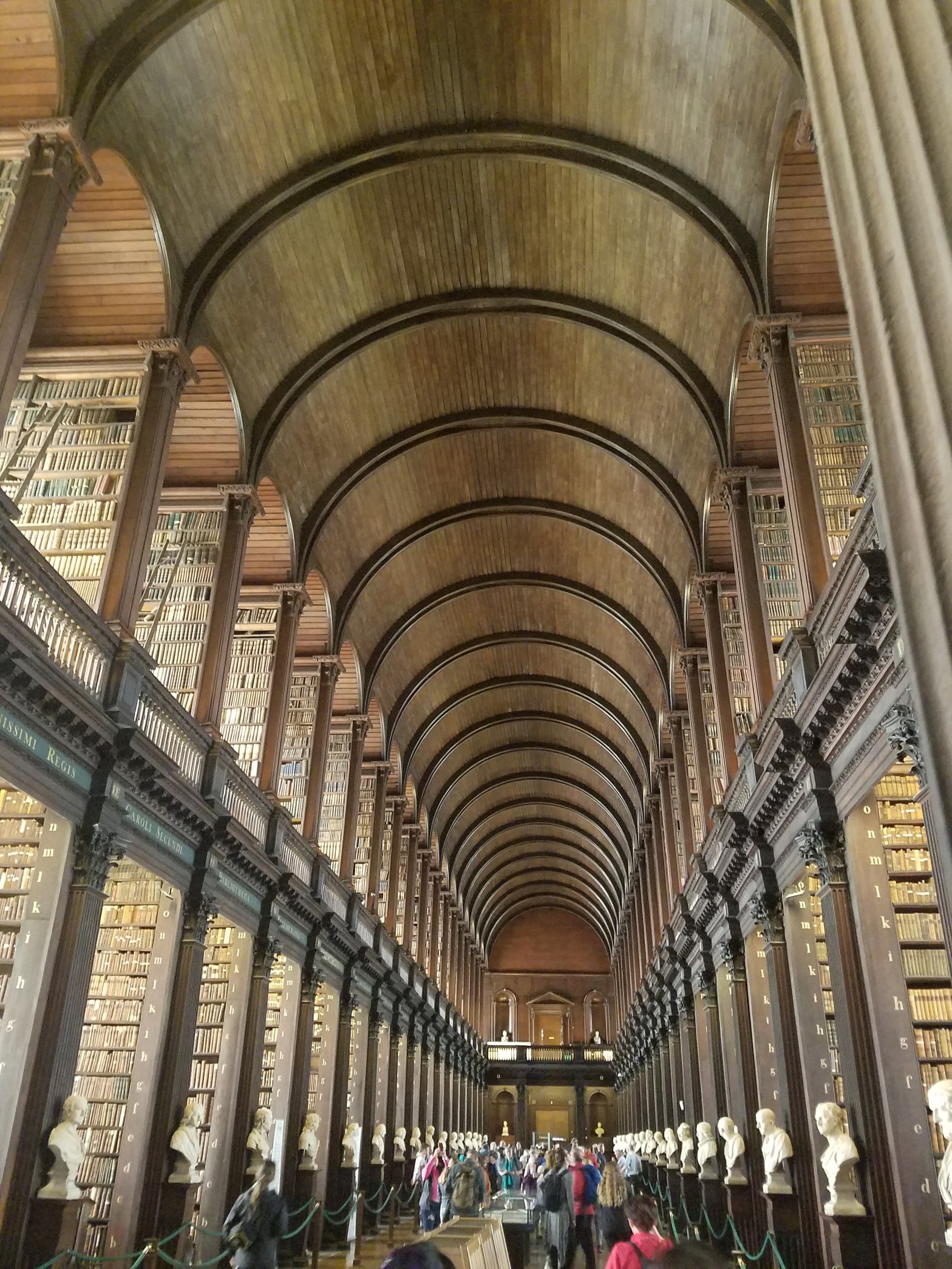
By far, the most famous attraction in the city is the Trinity College Library. The library’s Long Room is the most iconic part of the building. It has a vaulted wooden ceiling and is lined by some of the oldest books in Ireland organized on equally spectacular wooden shelves. Adding to the picturesque scenery are the marble busts of famous philosophers and writers. However, the most famous book in the building is the Book of Kells, part of which is displayed right in the middle of the Long Room of the library. The book is considered Ireland’s biggest treasure, and it contains the four gospels of the New Testament. What makes it unique are the drawings, which are very elaborate, colorful, and are made in an Irish post-Roman style, which differentiates it from other works in Europe. Also housed in the Long Room are two other items that are important symbols of Ireland, the Brian Boru Harp and a copy of the 1916 Proclamation of the Irish Republic.

Two other noticeable buildings in the city are the St. Patrick Cathedral and the Christ Church Cathedral. Contrary to popular belief, both cathedrals are part of the Church of Ireland and are not specifically Catholic. In fact, the St. Patrick Cathedral is the seat church for the Church of Ireland. When walking through the cathedral, you will notice the memorials for nobility and military personnel. Further up the road is the Christ Church Cathedral, the oldest church in the city. The church itself is eye-catching, but what really makes it stand out is the largest crypt in all of Ireland and Britain containing many priceless artifacts, as well as some interesting items like a mummified cat chasing a rat found stuck in the organ pipes centuries ago. Back upstairs, you can see the heart of Laurence O’Toole, the Patron Saint of Dublin.

Finally, the two other historic sites that are a must-visit are the Dublin Castle and the Kilmainham Gaol. The Dublin Castle has been the seat of the ruling government, be it Irish or British, for centuries. Most of the walls of the former castle are now gone. However, one tower still stands, and you can see the base for one of the other towers on the guided tour. It is also very interesting to take the guided tour because you can look around at the original Viking settlements below the castle as well as walk through the more modern parts of the palace. Speaking of guided tours, visiting the Kilmainham Gaol is the hidden treasure of the city. This large jail is a symbol of the Irish struggle for independence, and the knowledgeable tour guides are eager to answer your questions. The jail, and especially the immense Main Hall, has been featured in multiple popular films following its restoration.

After exploring these historic Dublin sites, it’s time to take a break and grab a pint at The Brazen Head, Ireland’s oldest pub. The location has had some sort of a drinking establishment since the 12th century, and it was used as a meeting point for Irish revolutionaries. Today, the pub has multiple rooms surrounding a wonderful courtyard bar, great grub, and, of course, plenty of music and beer to have you sing the night away.

In Dublin, you will often find yourself singing along about the famous, but most likely mythical, Molly Malone. One of the most beloved characters and songs in Ireland has become a symbol of the city and has even earned her a statue in the center of the city near two of the most famous streets in Dublin, the pub filled Temple Bar and the shop centric Grafton Street. Immediately across from the statue you can find O’Neil’s Pub and Kitchen, which is the place to be if you like traditional food in large portions for dinner. The pub even has a great rooftop to enjoy a Guinness or a cocktail. Last but not least, a visit to Dublin should not end before you have the chance to see Riverdance at the Gaiety Theatre. The famous show returns to its home during the summer, and even if you have had the chance to see it elsewhere, you should take the time to see it at this iconic location.

If you are visiting Dublin to enjoy the new and modern sights, don’t forget to make time for the locations and experiences that have made the city wonderfully unique long before, and long after, the recent trends come and go.


Rome: City of Religion, Culture and Love

Rome is one of the most visited cities in the world. And for a good reason. You can spend months just trying to explore the official museums, ruins and parks in the city and you will still be surprised to learn that you missed some hidden gem. Not to mention all the delicious cuisine and luxury shopping opportunities that available all over the city. Most visitors to the city have been attracted by the world renowned sights of the Colosseum, the Roman Forum, and Vatican City’s St. Peters Basilica and Sistine Chapel, but if you have already visited these must see sights you should venture on and explore some of Rome’s lesser known areas.

Immediately west of Vatican City is the Prati neighborhood. The area often gets overlooked by visitors to the city even though it is walking distance to all major attractions in the city. The area has many small cafés and restaurants that are predominately visited by locals rather than visitors to the city. If you want a quick, delicious bite on the go or just a casual sit-down place to sip your coffee and soak in the surroundings you should stop at Il Gianfornaio. The restaurant offers smoothies and coffee as well as pastries and flatbread pizzas. If you rather enjoy a sit-down meal just a few blocks away is the Flavio al Velavevodetto al Quiriti which serves Roman cuisine. The rigatoni alla carbonara is a delicious dish and the restaurant is open relatively late. Prati can also call itself home to one of the best gelatarias. The Neve di Lattte is an experience that is a must for anyone who enjoys ice cream in any form and finds themselves anywhere near Rome. The gelato is made only from the best ingredients and the price is surprisingly affordable for a major city.

Walking south from Prati towards the Tiber River you will undoubtedly run into Castel San Angelo. While it is hard to call the castle a hidden gem the building does get underestimated a bit. Walking around the building you will notice a large contrast between the initial stages of your self-guided tour as opposed to the later parts of the building. The original impression that the castle gives off is of a plain medieval fort. However once you start getting towards the top you find yourself in lavish apartments covered in Renaissance art used by Pope Paul III. But the real reason to visit is the view that you will discover once at the top of the building. The circular design of the structure allows you to see as far as you can in every direction. A small coffee shop at the top allows you to sit down and enjoy the view towards St. Peters square.

Walking a few minutes south across the Tiber River you will find a large square. Piazza Navona is a square that perfectly represents the image of an Italian square. The square is enclosed by beautiful building including the Sant’Agnese in Agone cathedral. The square is lined by numerous cafes and restaurants and in the middle there are three spectacular fountains. To the east of the piazza you should stop for a quick cup of coffee at the famous Sant’ Eustachio il Caffe. The coffee is very smooth and creamy which provides a unique Italian café experience. Nearby you will find the oldest building in what is one of the oldest cities in Europe. The Pantheon was a pagan temple that has been converted into a Christian place of worship. The large size and open area of the building make it easy to visit. The lines are not too long and its one of the few attractions that are free to visit. The area north of the Pantheon is made up of small cobble stone streets packed with spectacular restaurants and bars only rivaled by the famous Trastevere neighborhood.

East of Prati and over the Ponte Regina Margherita Bridge is Piazza del Popolo. As many of the other destinations on this list the piazza was heavily featured in Dan Brown’s Angels and Demons book and movie. Specifically the Piazza del Popolo is unique due to its numerous sphynx statues, oldest obelisk in the city and Egyptian hieroglyphics. Above the piazza is the Terraza del Pincio which offers great views of the city as well as the Borghese Park which offers a good escape from the heat during the summer.

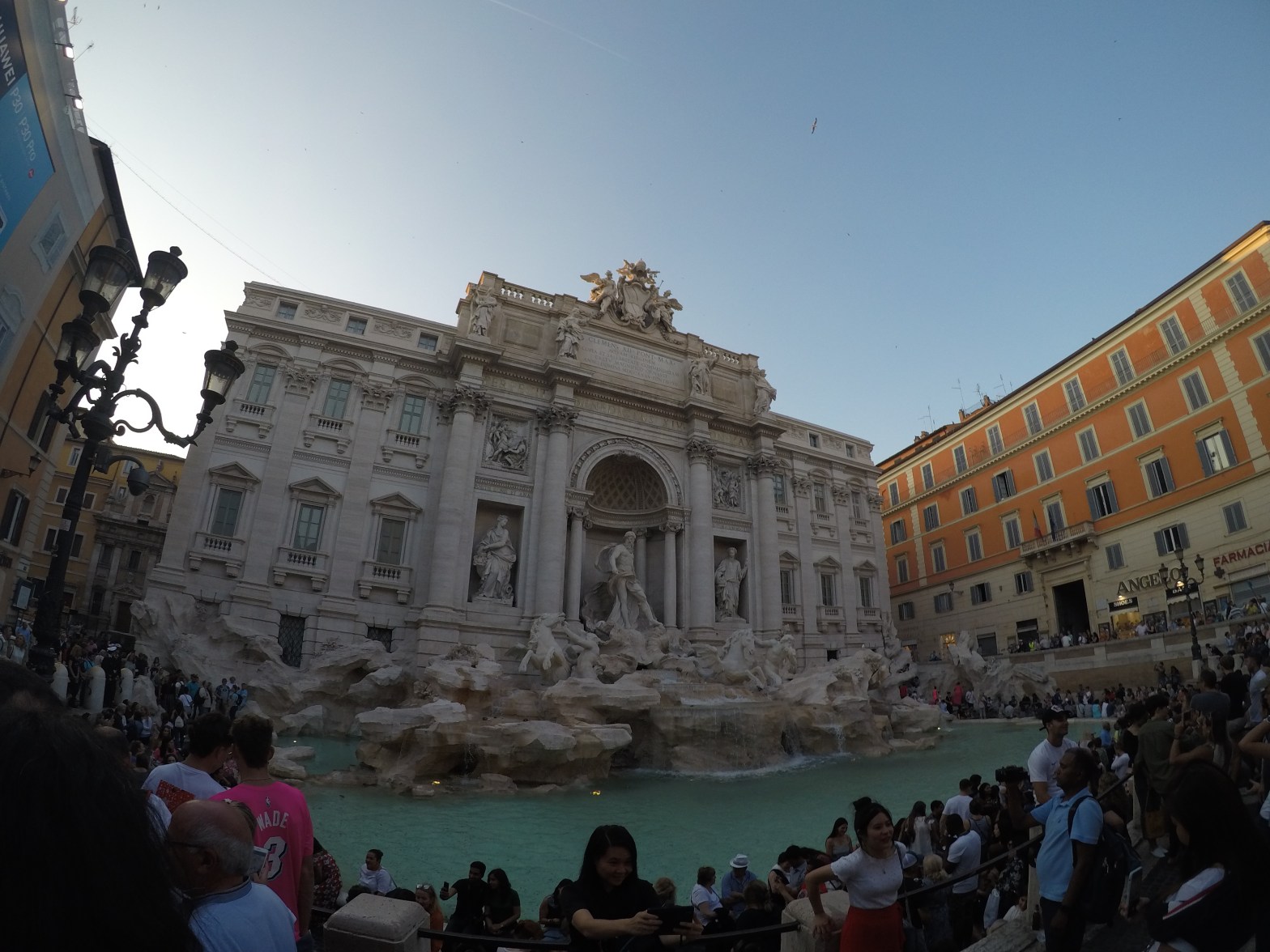
Finally you should make time to visit the Trevi Fountain. While Rome is covered with fountains the Trevi is something in category of its own. The size, sounds and lighting of the fountain create an extraordinary atmosphere which will take your breath away. A short walk away are the another iconic spot for people in love, the Spanish Steps. And if you rather spend some time exploring the high-end stores on Via di Condotti that shouldn’t be a problem since the street ends at the bottom of the steps. 

Rome has an abundance of restaurants, sights and attraction which will satisfy all of your senses. Rome was not built in a day and it is certain that you will not be able to see everything in a day, a month or a trip, but you should consider adding as many of these attractions to your itinerary. You will never forget the experience.

How to Explore Washington D.C. beyond the Mall

Washington DC is undoubtedly one of the most visited cities in the world. It is full of history, museums and bustling life. Recently it has become a major hub for startups and new dining concepts as well. However, there are many locations that are worth exploring away from the monuments and museums on and around the National Mall. Of course, on your first visit to the city you should take full advantage of all the free Smithsonian Museums, visit the Newseum, the Holocaust Museum, and the Georgetown neighborhood. But there is so much more to the city that few visitors get to experience.

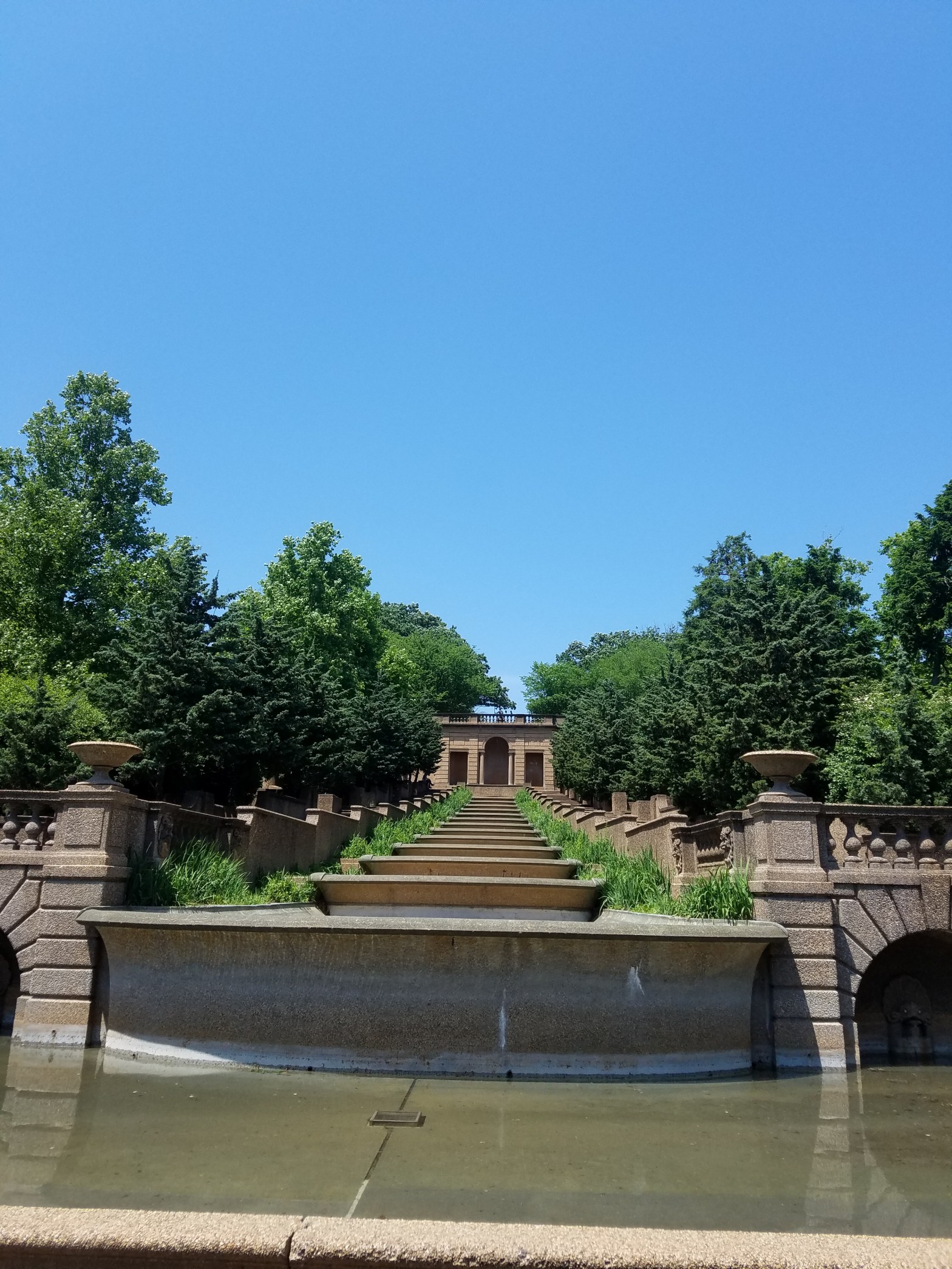
The District is full of parks in all quadrants of the city. However one park really stands out: Meridian Hill Park is located directly north from the White House, and during the Civil War, it was used as encampment for the military. Being in the park today feels like you just stepped through a portal and traveled from a bustling urban hub to a lost city in the middle of the jungle. The best time to visit is definitely on Sunday afternoon when the longest running drum circle echoes throughout the park and creates a really unique atmosphere.

Nearby is the Smithsonian National Zoological Park. While the zoo is a Smithsonian, it might get overlooked by some tourists because of its location. However the National Zoo can offer a number of very unique animals as well as their famous giant pandas. And, same as the other Smithsonian museums, it’s free. If you don’t feel like seeing the animals the zoo, it’s designed like a park, with locals walking (or jogging) through the main thoroughfare. Further north is a real hidden treasure of the District. The Hillwood Estate, Museum and Gardens were the home of Marjorie Merriweather Post, the richest woman in the 1950s. She used much of her wealth and her husband’s position as an ambassador to the Soviet Union in the 1930’s to acquire Russian royal art including Faberge eggs that are displayed around the mansion. Surrounding this Russian palace are thirteen acres of immaculately maintained gardens outside which are perfect for picnic or just grabbing some tea and coffee and enjoying the surroundings. Another park worth exploring is the National Arboretum which is a leading center for botanical research. It has a large bonsai exhibit as well as the old US Capitol columns.

Exploring all of these extraordinary parks will likely work up an appetite, and while there are many new five star restaurants around the city, I would suggest getting some Ethiopian cuisine at the recently relocated Lalibela. DC has a large Ethiopian population and their unique cuisine has something to offer everyone. You can get the plate for two, or for four, which has multiple meat and vegetarian option served on top of injera, a spongy flatbread which you use to scoop up the food. If you’d rather have something more familiar, you can visit Tony Cheng’s restaurant, which serves Chinese cuisine as well as Mongolian barbecue, and is located near the Friendship Archway in the heart of Chinatown. The restaurant has large cocktails that can be shared, but watch out for the flames on top.

A few blocks away is historic Ford’s Theater, where President Abraham Lincoln was shot. The theater has many exhibits describing the night of the assassination as well as information about all the people involved. Perhaps most interestingly, you can see the actual pistol that John Wilkes Booth used to fire the shot at the president. 

At night, head to the Adams Morgan neighborhood which has numerous local shops, cafes, restaurants, bars and night clubs. 18th street NW is the epicenter of the neighborhood, with beautiful row houses lining the street on both sides, housing many of the restaurants and rooftop bars. One of these bars is Jack Rose Saloon which offers hundreds of high end whiskeys, bourbons and scotches. Adams Morgan is also the best place to get late night food in the city, from pizza to falafels, if you lose track of time. Finally if you have time and stamina, you should visit Echostage, which is one of the top music venues globally. The club hosts all the top DJs in the world in an intimate location along with many other musical acts.

Washington has become a top tourist city for a reason. The city has so much to offer and the options grow daily. And, while you should experience the traditional top attractions on a first visit, you should certainly return and be sure to also experience all the hidden treasures this city has to offer.

A First-Timer’s Guide to Cleveland

If you’re looking to take a weekend trip to a small town with a big city vibe then Cleveland is the destination for you. The Rock & Roll Capital of the world features a variety of attractions including Rock and Roll Hall of Fame, Public Auditorium and the Agora Theater.

Cleveland has experienced a resurgence in the last decade, moving away from heavy industrialization production and is now focusing on the medical, natural energy, and insurance sectors. The change has led to an influx of young professional residents, who want to experience the big city life, but at a fraction of the cost. Due to this development, the food scene in the city has expanded and diversified. The city boasts numerous James Beard award-winning chefs with restaurants and countless eateries.

Dining

For a great fine dining experience, visit Alley Cat located on the river in the Flats. It has been dubbed as one of Cleveland’s best oyster bars because of the lovely waterfront location and their fresh seafood menu. Also, check out the Marble Room, which is located in a historic old bank near the Arena District. Its rustic yet upscale location offers a unique dining experience with a menu filled with delicious options from steaks to chilled oysters. These restaurants are the perfect place to kick off the night if you are planning to attend a major league sporting event, concert, or musical.

Major Sports

Cleveland is the home of the Cavaliers , Browns and Indians, which represent three major leagues in the U.S. You will know when there’s a game by the flood of fans pre-gaming at bars and restaurants. Plan your trip ahead of time and purchase tickets to watch your favorite teams battle it out on the court or the field.

Nightlife

If you take a walk on Euclid Avenue to visit Playhouse Square, the second biggest theater district in America. Currently, nine theaters host the top Broadway shows, as well as the world’s largest outdoor chandelier. If you want to go to a concert instead, there are historic locations such as the House of Blues or Jacobs Pavilion at Nautica, which has an amazing view of the skyline.

Enjoy the Arts

A few other sites I recommend visiting are located in the University Circle Neighborhood. Grab a ride share and head to this neighborhood to experience a performance by the Cleveland Orchestra at Severance Hall. The Orchestra is regarded as one of the best in the world and is part of the American Big Five. Nearby is the Cleveland Museum of Art which is considered one of the best in the country, and its free admission makes it a great place to visit for a budget traveler. Another great attraction is the James A. Garfield Memorial at the Lakeview Cemetery, and it’s free to boot!

Breweries

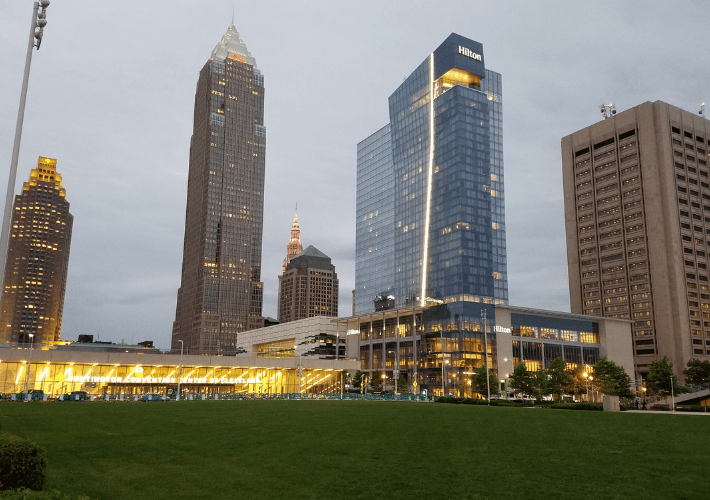
Following a concert or a game, head to the Ohio City neighborhood, home to the historic West Side Market. Near the market, there are upwards of ten microbreweries including the iconic Great Lakes Brewing Company. If you’re hungry, try the award-winning pizza at Bar Cento. Also, a huge plus is that the kitchen is open late. If you’re craving something sweet, only one block north, is the best ice cream in town at Mitchell’s. If you prefer cocktails over beer, head back towards downtown to the 32nd floor of the Hilton Cleveland Downtown. You can get some of the best cocktails in town while listening to live music and taking in the views from one of the tallest buildings in the city. On a Sunday morning, take a walk in the Tremont neighborhood and grab breakfast at Grumpy’s Café. After breakfast visit the original house from the classic movie, A Christmas Story.

Save it For a Rainy Day

During the rainy days, stop by these landmarks for a great way to get out of the cold. On the north shore of downtown lies one of the most popular locations in town, the Rock & Roll Hall of Fame. Cleveland has been credited as the birthplace of Rock & Roll because in 1951 a local radio DJ named Alan Freed coined the iconic term . At the Hall of Fame you will see costumes and musical instruments of the best musicians in history. However my favorite exhibit presents the original texts of all time classics hand written- and hand edited- on napkins and notebooks. Another great option for a rainy day is the Great Lakes Science Center. They have an OMNIMAX Theater where you can watch a movie and spend the day having family-friendly fun indoors.

There are many things about Cleveland that are worth exploring.  We haven’t even talked about the beaches. Oh yes, there are beaches! Also, there are parks, trails and the wine country, but you can leave these for your next trip to the great city of Cleveland.